

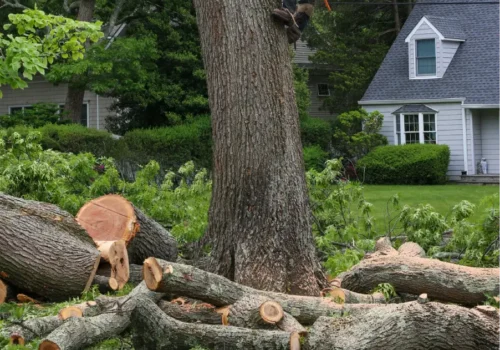
Professional Tree Trimming and Pruning Services in Central Illinois
Trees are a central feature of any Central Illinois landscape. They offer essential shade during scorching Midwest summers, reduce energy costs, build curb appeal, and provide habitat for local wildlife. However, unmanaged branch growth can quickly transform a prized property asset into a hazard. Overgrown limbs threaten rooflines, crowd power utility corridors, block natural light, and become vulnerable to snapping during summer line storms or heavy winter ice.
The Core Difference Between Tree Trimming and Pruning
Homeowners often use the terms “trimming” and “pruning” interchangeably, but in professional tree care, they serve distinct purposes:
- Tree Trimming focuses primarily on aesthetic appearance, shape management, and spatial clearance. It involves trimming back overgrown foliage and small outer branches that encroach on structures, driveways, sidewalks, or property lines.
- Tree Pruning focuses on biological health, long-term structural integrity, and risk reduction. Pruning targets specific diseased, dying, or structurally weak branches, ensuring the tree can distribute nutrients efficiently and withstand environmental stress.
Both services are necessary to maintain a balanced, healthy tree canopy that stays safe year-round.
Key Benefits of Routine Tree Care
Investing in scheduled tree maintenance delivers immediate visual upgrades and long-term protection for your lawn and structural investments:
- Prevent Storm and Ice Damage: Heavy winter ice storms and sudden summer wind gusts frequently snap weak, decaying, or poorly weighted branches across the 309 area code. Targeted pruning removes high-risk limbs before severe weather knocks them onto your roof, vehicles, or power lines.
- Prevent Pest and Disease Spreading: Dead, dying, or rubbing branches create open entry points for wood-boring insects, fungi, and bacterial decay. Removing compromised wood keeps infections from spreading into the trunk and surrounding trees.
- Boost Sunlight Penetration and Grass Growth: Dense upper canopies block sunlight from reaching the grass and ornamental plants below. Thinning out upper branches allows sunlight and rain to reach your lawn, keeping grass healthy and green.
- Protect Roofs, Siding, and Gutters: Limbs growing too close to your home allow squirrels and rodents easy access to your roof. Leaves collect in gutters, and constant branch friction can rub shingles right off your roof deck.
- Improve Tree Longevity: Proper corrective cuts when a tree is young prevent hazardous double-trunks (included bark) and establish a balanced canopy that lasts for decades.
Our Specialized Tree Pruning Techniques
Every tree species grows differently, and every property presents unique structural challenges. We never apply a one-size-fits-all approach to your landscape. Our crew utilizes specific, industry-approved techniques designed for the exact needs of your trees.
1. Crown Thinning
Crown thinning selectively removes smaller, secondary branches throughout the upper canopy. This process reduces the overall density of the tree without altering its natural size or shape. Thinning improves air circulation through the branches, reduces wind resistance during severe storms, and allows sunlight to filter through to the lawn below.
2. Crown Elevation (Limb Raising)
Crown elevation involves removing the lower branches of a tree to increase ground clearance underneath. This technique is ideal for clearing space over driveways, sidewalks, patios, and parking lots so vehicles and pedestrians can pass safely without hitting low-hanging limbs. It also opens up sightlines for residential driveways and commercial store fronts.
3. Crown Reduction
When a tree grows too large for its space—encroaching on utility lines or overhead structures—crown reduction carefully scales back the height or spread of the canopy. Unlike aggressive “topping” (which severely damages trees), professional crown reduction cuts back branches to lateral limbs capable of assuming the terminal lead, preserving the health and natural look of the tree.
4. Deadwooding and Hazard Removal
Deadwooding is the removal of dead, dying, or diseased branches throughout the canopy. Dead branches eventually fall on their own, making them an unpredictable hazard for anything or anyone underneath. Stripping away dead wood also frees up vital energy for the tree to nourish active, growing branches.
The DC Tree & Landscaping Difference: Owner-Operated Precision
Large corporate tree services often dispatch rotating crews with varying levels of experience. At DC Tree & Landscaping, we operate with a direct, hands-on standard that sets us apart across Central Illinois.
Our owner is directly on-site for every single job.
From initial estimate through final cleanup, our owner-operator manages the equipment, directs every cut, and ensures strict adherence to safety standards. With over 30 years of local field experience, we handle complex trimming jobs over homes, near electrical drop wires, and around delicate garden beds without causing damage to your property.
Safe Equipment & Clean Property Guarantee
Tree care is heavy work, but we take active steps to preserve your yard:
- We utilize ground protection mats under heavy equipment to prevent turf rutting.
- We drop limbs using controlled rigging ropes to protect surrounding structures and flower beds.
- We chip all pruned limbs, haul away heavy debris, and perform a complete yard rake-down before leaving your driveway.
Schedule Your Free Tree Trimming Estimate Today
Do not wait for a windstorm or heavy winter ice to reveal the weak points in your tree canopy. Protect your home, improve your yard’s sunlight, and maintain healthy trees with expert tree care from local professionals. With 30+ years of local expertise and guaranteed owner-operated service on every job site, DC Tree & Landscaping delivers reliable results throughout Central Illinois.
Call DC Tree & Landscaping today at 309-835-3846 to request your free, no-obligation tree trimming estimate.
Frequently Asked Questions About Tree Trimming & Pruning
How much does professional tree trimming cost in Central Illinois?
Tree trimming costs vary based on tree height, canopy density, proximity to structures or power lines, and overall accessibility. A small ornamental tree shaping costs significantly less than climbing and thinning a mature 70-foot oak tree. We provide free, upfront, in-person estimates with no hidden fees so you know the exact cost before work begins.
Can I trim branches that hang over my property line from a neighbor's yard?
Yes. Under Illinois property law, homeowners generally have the right to trim tree branches hanging over their property line up to the boundary edge. However, cuts must not cross the property line, and you cannot prune in a way that damages the health or structural integrity of the neighbor’s tree. We recommend speaking with your neighbor first and letting a professional handle boundary trimming safely.
How do I know if a tree branch is dead and needs removal?
Dead branches typically show distinct signs: they lack leaves during the spring and summer growing season, feature peeling or missing bark, show brittle wood that snaps easily, or display fungal growth directly along the limb. If you notice large dead branches hanging in your canopy, call us promptly to evaluate and remove them safely.
How close to power lines can your crew trim?
We routinely clear branches encroaching on secondary service drop lines (the wires running directly from a utility pole to your home). However, main high-voltage utility lines along the street are managed exclusively by power companies like Ameren Illinois. If we inspect your property and see limbs interfering with main utility lines, we will direct you to the proper utility channels before proceeding with private tree work.
Best Time of Year to Trim Trees in Central Illinois
When is the best time to prune trees in Central Illinois?
The ideal window for heavy tree pruning in Central Illinois is late winter through early spring (late November through March), while trees are fully dormant. Pruning during dormancy minimizes sap loss, encourages rapid spring wound healing, and significantly reduces the risk of insect infestations and disease transmission.
While light shaping or emergency storm cleanup can be performed year-round, seasonal timing matters for specific species:
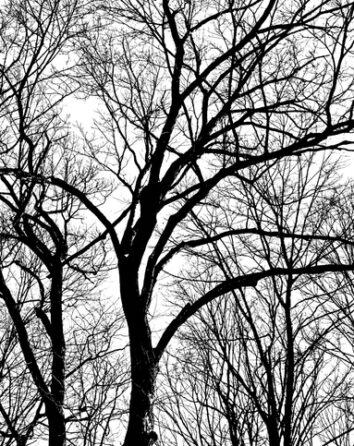
Deciduous trees (Oak, Maple, Ash, Elm)
Cold weather prevents insects and fungi from invading fresh cuts. Lack of leaves gives clear view of branch structure.

Spring-flowering trees (Dogwood, Redbud)
Prune immediately after blooming finishes to avoid cutting off next year’s flower buds.

Minor shape adjustments & deadwooding
Avoid heavy structural pruning during summer heat waves to prevent stressing the tree.
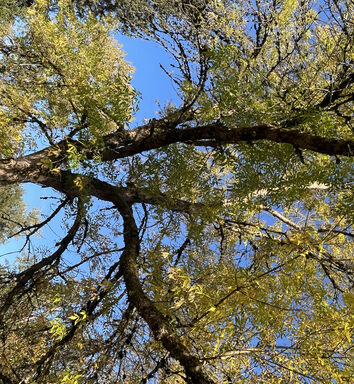
Emergency cleanup only
Skip routine pruning in fall; cuts heal slowly and warm spells can trigger tender shoots that freeze in winter.